


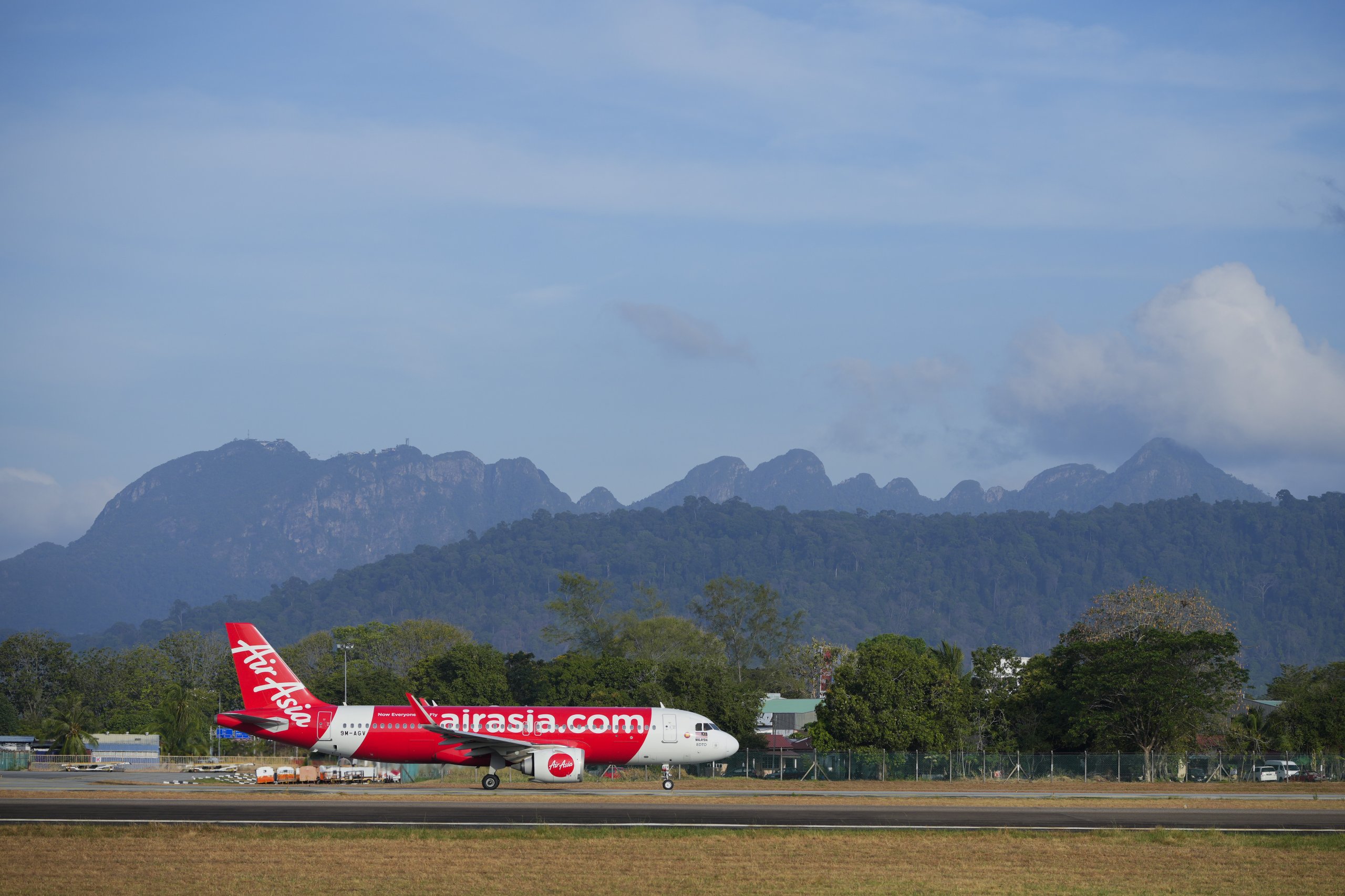
AirAsia is on the verge of finalising a landmark aircraft deal that could reshape its fleet strategy and regional connectivity ambitions. According to industry sources, the Malaysian low-cost carrier is nearing completion of an order for around 100 Airbus A220 regional jets, marking its first commitment to this aircraft type and a significant expansion into the regional narrowbody segment.
The agreement, expected to be officially announced imminently, would represent one of the largest orders ever placed for the A220 and could set a new benchmark for the programme. There is also potential for the order to increase, with discussions reportedly underway to extend the number to 150 aircraft.
The strategic importance of this move lies in AirAsia’s broader plans to diversify its network and strengthen its presence in emerging regional markets. The A220 is a fuel-efficient, smaller narrowbody designed for short- to medium-haul routes, offering seating capacity typically ranging between 100 and 160 passengers. Its ability to operate from secondary airports and less saturated routes makes it well suited to AirAsia’s vision of expanding point-to-point connectivity within Asia and potentially into new markets.
By incorporating the A220 into its fleet, AirAsia aims to boost regional travel and tourism growth, particularly by serving underserved destinations that have not previously justified larger aircraft. This new fleet segment will allow the airline to enhance route frequency, respond to rising demand for affordable air travel, and stimulate tourism activity across domestic and international sectors.
This order also aligns with AirAsia’s post-pandemic recovery strategy, which has focused on rebuilding operations and capitalising on renewed travel demand following the widespread disruptions of COVID-19. Strengthening the regional network with right-sized aircraft is viewed as a critical step in sustaining long-term growth and competitiveness.
Industry analysts note that such a significant A220 order would provide a boost to Airbus’s A220 programme, which has faced production challenges and slower sales compared with larger aircraft families. Adding a major customer like AirAsia would underscore the aircraft’s appeal for carriers pursuing cost-efficient regional growth.
Overall, the anticipated deal highlights AirAsia’s commitment to expanding its travel and tourism footprint while adapting its fleet to meet evolving market dynamics.