

Ahead of Union Budget 2026, India’s tourism and travel industry has called for a significant increase in government funding to strengthen global promotion efforts and accelerate inbound tourism growth. Industry leaders emphasised that enhanced overseas marketing, simplified taxation and modernised skill development are critical to unlocking tourism’s full potential as a major employment generator and foreign exchange earner.
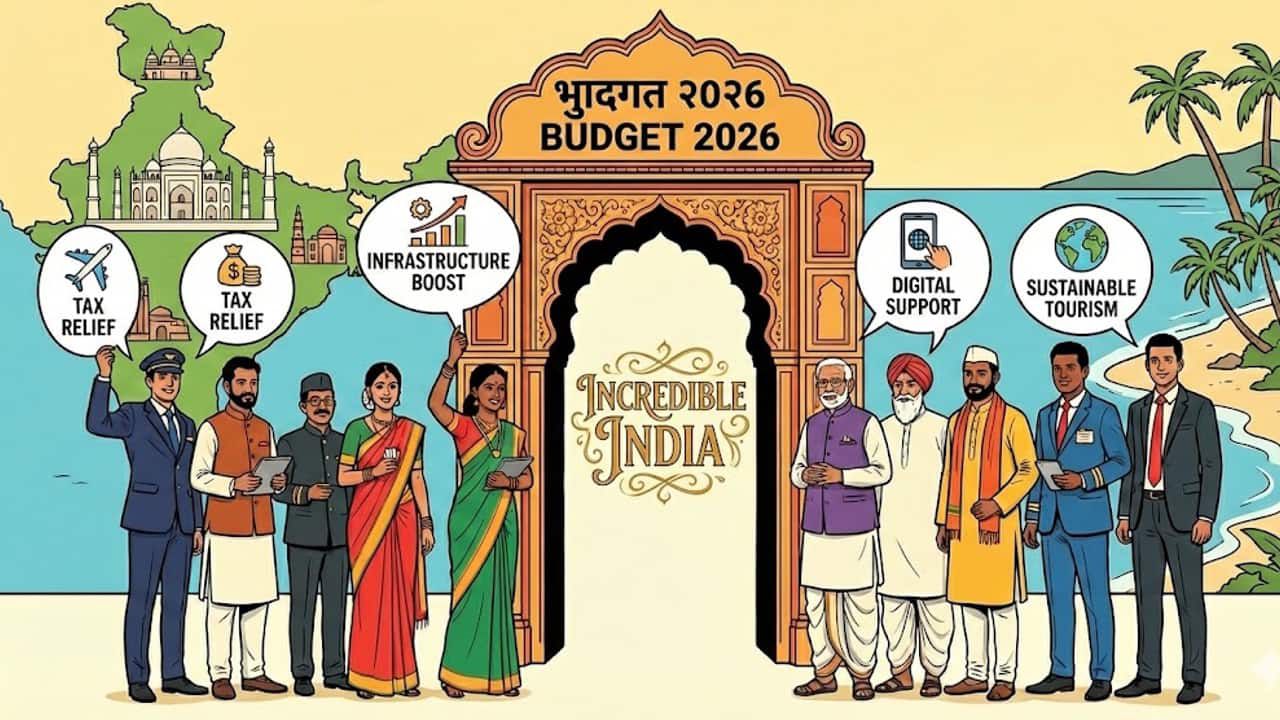
Travel stakeholders highlighted the urgent need to amplify global campaigns such as Incredible India, noting that limited international promotion continues to constrain foreign tourist arrivals. According to industry estimates, the overseas promotion and publicity budget was reduced sharply in FY26 compared to the previous year, prompting calls for immediate correction. Mahesh Iyer, Managing Director and CEO of Thomas Cook (India), said enhanced allocation for global marketing campaigns would be vital to improve India’s visibility in long-haul and emerging source markets.
The Indian Association of Tour Operators (IATO) echoed similar concerns, with its president Ravi Gosain advocating the creation of an India Tourism Promotion Board dedicated solely to international marketing. He underlined that a focused, well-funded global branding strategy was essential to revive inbound tourism and maximise its contribution to jobs and economic growth.
While domestic tourism continues to remain the backbone of the sector, industry leaders stressed the need for sustained investment in infrastructure, including airport expansion, improved rail connectivity and last-mile access to destinations. Government data shows that India welcomed over 20 million international visitors in 2024, including foreign tourists and NRIs—an improvement over pandemic years but still below pre-Covid levels.
Tax reforms also featured prominently in industry expectations. Travel companies proposed simplifying Tax Collected at Source (TCS) on overseas travel by replacing the current multi-tier structure with a uniform lower rate to ease liquidity pressures on travellers and businesses. Additionally, improved access to credit was seen as crucial to enable innovation, affordability and expansion across the travel and hospitality ecosystem.
Skill development emerged as another priority area. Industry bodies called for modernised, industry-aligned training programmes incorporating digital and AI modules, along with expanded regional skill centres and stronger public-private partnerships.
With the tourism sector already employing millions and projected to generate millions more jobs in the coming decade, industry leaders believe Budget 2026 presents a pivotal opportunity to position Brand India more competitively on the global tourism map.