


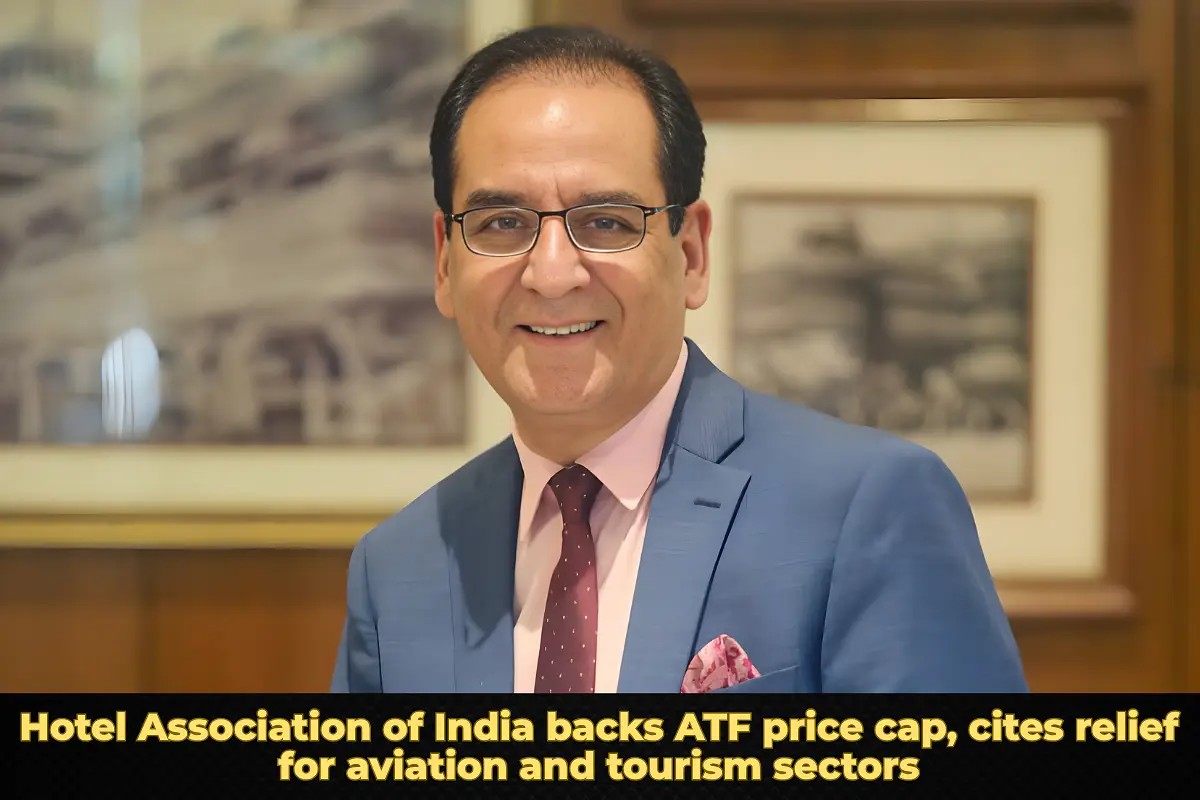
The Hotel Association of India has strongly supported the government’s move to cap Aviation Turbine Fuel (ATF) prices, highlighting it as a critical step to stabilise India’s aviation sector amid ongoing global energy volatility, particularly influenced by geopolitical tensions in the Middle East. The industry body emphasised that controlling fuel costs can significantly reduce airline operating expenses, ultimately leading to more affordable airfares and improved travel demand.
ATF accounts for a substantial portion of airline costs, and frequent price fluctuations have historically led to higher ticket prices, directly impacting both leisure and business travel. By capping price increases, reportedly limited to around 25%, the government aims to cushion airlines from global oil shocks while maintaining operational stability.
The association noted that more stable and predictable airfares would have a cascading positive effect on the broader tourism and hospitality ecosystem. Lower travel costs are expected to boost passenger volumes across domestic and international routes, benefiting hotels through higher occupancy rates and improved booking patterns. This is particularly crucial for destinations dependent on air connectivity, including emerging Tier-II and Tier-III cities.
From a MICE (Meetings, Incentives, Conferences, and Exhibitions) perspective, the move holds significant importance. Business events and large-scale exhibitions rely heavily on air travel for delegate participation, especially international attendees. Stabilised airfare structures can enhance destination competitiveness, encourage advance planning, and increase participation in conferences and trade shows, thereby strengthening India’s position as a global MICE hub.
The Hotel Association of India also stressed the interconnected nature of aviation and hospitality, noting that fluctuations in airfare directly influence hotel revenues, corporate travel, and event attendance. The body has called for continued policy support, including tax rationalisation and long-term pricing reforms, to ensure sustained growth across the travel, tourism, and MICE sectors.
As India continues to position itself as a competitive global destination, such policy interventions are expected to play a vital role in driving resilience, affordability, and long-term expansion across aviation, tourism, and the rapidly growing MICE industry.