

In a significant boost to regional aviation and tourism, Singapore Airlines (SIA) will resume direct flights between Singapore Changi Airport and Hangzhou Xiaoshan International Airport from June 1, 2026, marking its return to the Chinese city after nearly 28 years.
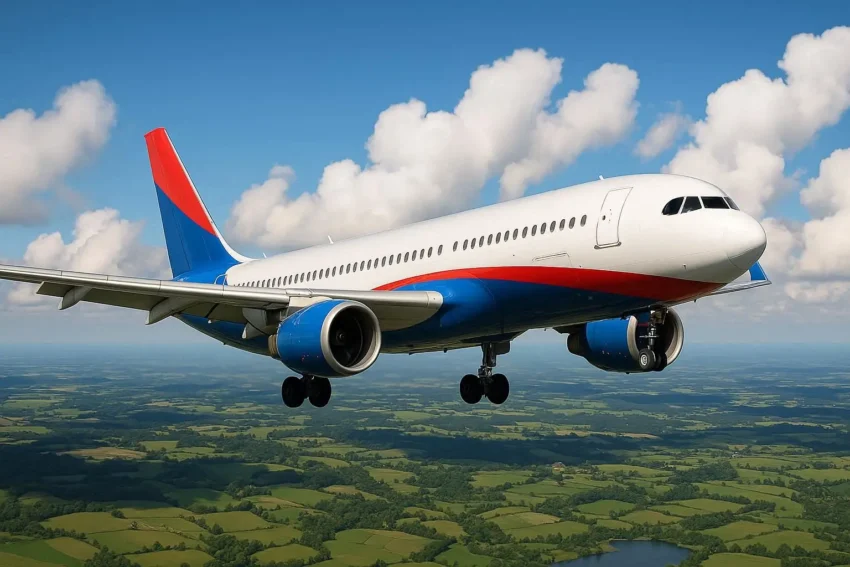
The airline will operate daily services on the route using its Airbus A350-900 medium-haul aircraft, configured with 303 seats, including 40 Business Class and 263 Economy Class seats, offering enhanced comfort for both business and leisure travellers.
The move reflects rising demand for travel between Singapore and China, particularly the Yangtze River Delta region, one of China’s most dynamic economic and technology hubs. Hangzhou, known for its strong presence in e-commerce and innovation, is also a major tourism destination, further strengthening the route’s strategic importance.
With this launch, Hangzhou will become Singapore Airlines’ ninth destination in mainland China, while the SIA Group, including Scoot, will serve 22 cities across the country, highlighting its commitment to expanding connectivity in the region.
From a MICE (Meetings, Incentives, Conferences, and Exhibitions) perspective, the reinstatement of this route is particularly significant. Enhanced connectivity between Singapore, a global MICE hub, and Hangzhou, a rapidly growing business and technology centre, is expected to facilitate increased corporate travel, international conferences, and incentive programmes.
The direct service will also support cross-border business collaborations, trade engagements, and event participation, enabling smoother movement of professionals and delegates between the two regions.
Singapore Airlines’ return to Hangzhou comes at a time when global travel demand is rebounding, and airlines are strategically expanding networks to tap into high-growth markets. The new route is poised to strengthen economic ties, boost tourism flows, and further integrate Singapore and China’s business ecosystems.
As aviation connectivity continues to play a critical role in global business events, this development reinforces the importance of strategic routes in driving both tourism and MICE industry growth across Asia.