


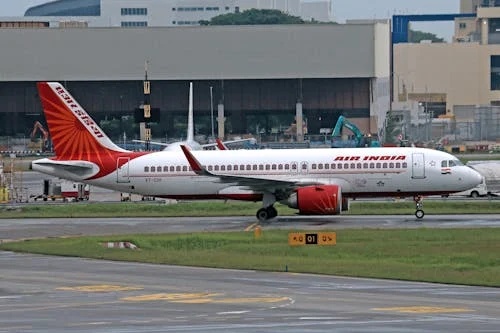
Rising geopolitical tensions, particularly across the Middle East, are reshaping global travel dynamics, placing significant pressure on tourism-dependent economies such as Indonesia, United Arab Emirates, Saudi Arabia, and Thailand. According to insights from HVS, the ongoing crisis has disrupted aviation networks, altered traveler sentiment, and introduced new uncertainties across international travel corridors.
The immediate impact has been visible in widespread flight cancellations, rerouted air corridors, and rising operational costs. Over 40,000 flights in the Middle East region have reportedly been cancelled or diverted since early 2026, as airlines avoid conflict zones and adjust schedules. These disruptions have increased travel time and costs, while surging crude oil prices, crossing USD 100 per barrel, have significantly raised aviation fuel expenses, which account for up to 40% of airline operating costs.
Major carriers including Garuda Indonesia and Emirates are responding with adaptive strategies such as route optimization, capacity adjustments, and dynamic pricing models. Airlines are also introducing fuel surcharges and focusing on high-demand, stable routes to sustain profitability amid declining passenger volumes.
The hospitality sector is facing parallel challenges. Global hotel groups like Marriott International are implementing flexible booking policies, targeted promotions, and revised pricing strategies to maintain occupancy levels. In India, the ripple effects are already visible, with hotel room rates softening by 15–20% in March due to reduced travel demand and cancellations linked to the crisis.
Despite these disruptions, industry experts highlight that demand is not disappearing but evolving. Travelers are increasingly opting for shorter, domestic trips over long-haul international journeys. This shift is expected to benefit markets like India, which is positioned as a relatively stable and accessible destination. Strengthening domestic tourism and capturing redirected global demand could play a crucial role in sustaining growth.
As the situation continues to evolve, the travel and hospitality industry’s ability to adapt through innovation, pricing flexibility, and strategic market repositioning will be key to navigating this period of uncertainty and driving long-term recovery.